
Apple Credit Card Review 2026: Rewards & Double Cash Back
The Apple credit card can suit people who pay in full and regularly use Apple Pay. Its temporary double Daily Cash offer makes the first year more attractive, but the spending required and long-term reward rates deserve a closer look.

Try our free Credit Card Payoff Calculator to calculate your repayment time and interest costs.
1. What is the Apple credit card, and how does it work?
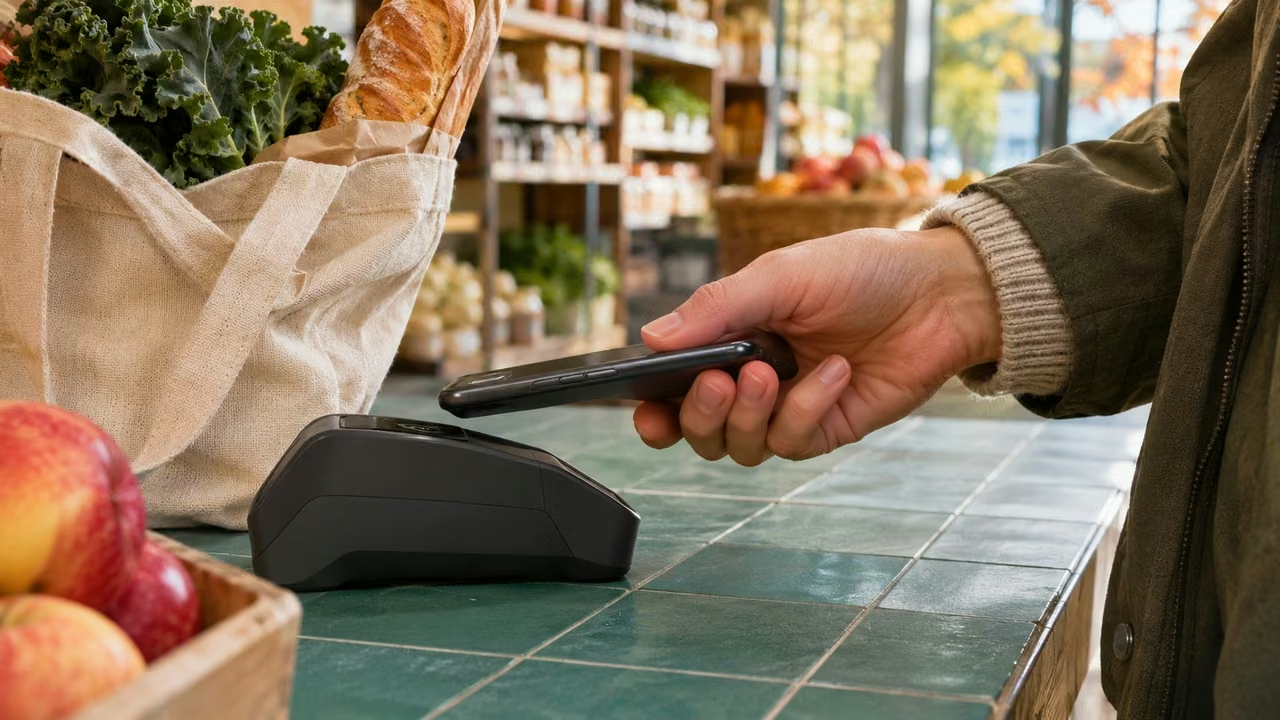
Apple Card is a credit card managed through Apple Wallet, with cash rewards called Daily Cash. Its standard structure pays 3% on eligible Apple purchases and qualifying purchases at selected merchants, 2% on other Apple Pay purchases, and 1% when using the titanium card or virtual card number.
Apple Pay is the payment method; Apple Card is the account funding the purchase. A mobile checkout does not automatically use Apple Card if you have another payment card selected. Check the selected card before authorizing a payment, especially if you switch between personal and household accounts.
For ordinary shopping, the useful comparison is how you actually check out. Someone who mostly pays by phone may have a different experience from someone whose regular merchants require a card number. Base your decision on recent statements and familiar shops rather than assuming every purchase will earn the highest rate.
2. How does the 2026 double Daily Cash offer work?
Qualifying new accounts opened November 3–December 10, 2026, through Apple’s designated promotional link can receive doubled standard rewards for 365 days from opening, subject to a $1,000 extra-rewards cap. The official offer terms control eligibility.
Previous cardholders and applicants with another pending or approved application are excluded. Purchases by added Family Co-Owners or Participants earn standard rates. Other promotional rates are not doubled, and refunds can adjust rewards. Purchases must post within the qualifying period.
| Purchase method | Standard Daily Cash | Promotional total | Extra reward |
|---|---|---|---|
| Eligible Apple and participating-merchant purchases | 3% | 6% | 3% |
| Other Apple Card purchases using Apple Pay | 2% | 4% | 2% |
| Titanium card or virtual card number | 1% | 2% | 1% |
3. How much spending earns the full $1,000 bonus?
At the extra 2% Apple Pay rate, earning $1,000 in bonus rewards requires $50,000 of eligible spending. The cap covers additional rewards across all categories; standard Daily Cash continues after the promotion ends or the cap is reached.
The arithmetic is bonus target divided by the additional reward rate. Using the total promotional rate would understate the spending required because part of that cash back would have been earned anyway.
The table assumes all spending falls into one tier, qualifies, posts in time, and remains unrefunded. In practice, most shoppers will have a mix. About $4,167 a month would be needed to reach $50,000 over twelve months, which is a substantial budget to route through one card.
Spending needed = bonus target ÷ extra reward rate
$1,000 ÷ 0.02 = $50,000 of qualifying Apple Pay spending
| Additional rate | Required spending | Standard rewards | Combined rewards |
|---|---|---|---|
| 3% | About $33,333.33 | About $1,000 | About $2,000 |
| 2% | $50,000 | $1,000 | $2,000 |
| 1% | $100,000 | $1,000 | $2,000 |
4. What could you earn from spending already in your budget?
A household routing $1,250 a month through qualifying purchases in the 4% tier would earn $600 over twelve months: $300 in standard rewards and $300 extra. This calculated example assumes unchanged spending, no returns, and full eligibility throughout the period.
Add a planned $1,600 purchase in the 6% tier and that purchase produces $96: $48 standard plus $48 extra. Across the two examples, total rewards would be $696, of which $348 is the promotional uplift. Compare that uplift with what your current card would pay on exactly the same basket.
Suppose an alternative card pays a hypothetical flat 2% with no annual fee. On $15,000 of spending, its rewards would be $300. The temporary 4% tier would produce $600, a $300 difference. Once the temporary rate ends, rerun the comparison using the ongoing rate and your likely payment methods.
A practical rule is to count rewards only on purchases you would make anyway. Spending an extra $300 to collect $12 in rewards still reduces your available money by $288. Reaching a promotional ceiling is useful only when the underlying purchases already make sense.
5. Can interest wipe out Apple Card cash back?
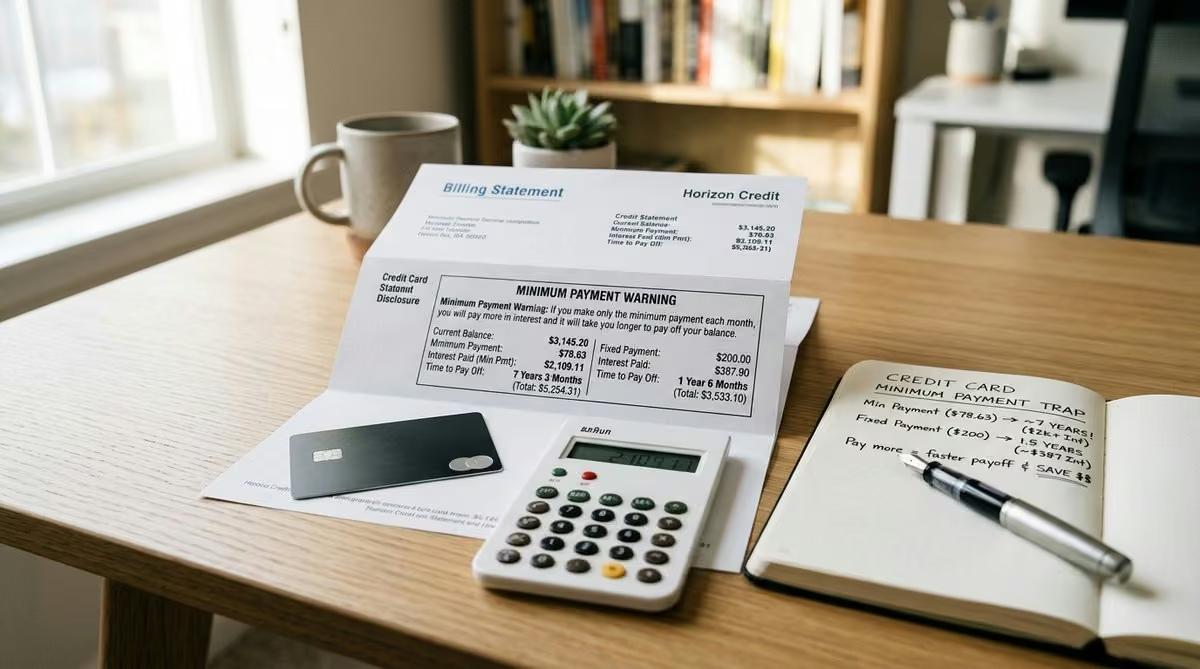
Yes. Interest on a carried balance can consume the value of cash back. Apple’s interest guidance explains that paying the monthly balance in full by its due date avoids interest; unpaid balances can also cause new purchases to accrue interest.
For a simplified illustration, a $2,400 balance at a hypothetical 24% APR costs about $48 for one month using APR divided by twelve. A $1,200 purchase earning 4% generates the same $48 in rewards. This is an illustration of scale, not an estimate of your statement: actual charges depend on daily balances, dates, payments, and your account terms.
Budget the full purchase price before considering the reward. If a new device would leave you carrying ordinary purchase debt, compare the total repayment cost with the value of waiting and saving. For existing balances, use the Credit Card Payoff Calculator to model repayment without adding new purchases.
Apple lists no annual, foreign-transaction, over-the-limit, or late fees on its card page. Those fee terms do not make borrowing free or remove payment obligations. If you already struggle to clear statements, improving repayment is a more useful goal than collecting a temporary reward.
6. Are Apple Card purchases automatically interest-free?
No. Eligible purchases receive 0% APR financing when you specifically choose Apple Card Monthly Installments at Apple checkout. Paying for an item as an ordinary card purchase does not automatically enroll it in that arrangement.
Apple’s installment payment instructions explain that installments form part of the minimum payment. Check eligible products, available terms, and checkout requirements rather than assuming one financing duration applies to everything.
Evaluate affordability separately from the reward. A small monthly installment can still compete with rent, utilities, savings, or an existing repayment plan. Add up all outstanding installments before choosing another purchase, and verify any reward treatment in the applicable offer terms before relying on it.
7. What should you check before applying for Apple Card?
Check eligibility, your offered APR and limit, and the promotion’s application route before accepting an account. Apple Card is available to qualifying US applicants; consult Apple’s application guidance for device and account requirements.
Apple says reviewing an application offer does not affect your credit score, while accepting an approved offer creates a hard inquiry that may affect it. Review the actual offer before deciding whether the account fits your budget.
- Review your last three statements and estimate spending you could comfortably pay in full.
- Use the designated link in Apple’s offer terms; account opening must occur within the offer window.
- Check the offered credit limit against planned purchases without treating it as a spending target.
- Keep a copy of the offer and check posted transactions and rewards after opening.
- Set up payments and a statement review routine, then reassess the card when the introductory period ends.
8. Can you save your Daily Cash instead of spending it?
You can route Daily Cash into an eligible Savings account through Apple Card. Apple’s Savings overview explains the automatic deposit feature. Check the current rate and account terms rather than assuming a quoted yield will remain unchanged.
For budgeting, treat cash back as a small addition to savings. In the $1,250 monthly spending example, $50 of monthly rewards would contribute $600 over a year before savings interest. Regular deposits from income can matter much more than optimizing a few dollars of rewards.
Use the Savings Calculator to explore a monthly contribution alongside your current savings balance. For an alternative projection with recurring contributions, use the Interest Calculator. Neither calculation guarantees an account’s future rate, and neither turns overspending into a profitable strategy.
9. Is the Apple credit card worth getting in 2026?
Apple Card is worth considering when its payment methods match your everyday shopping and you can clear the monthly balance. The decision should still work after the introductory offer ends. A temporary reward makes a suitable card more appealing, but cannot make an unaffordable purchase fit your budget.
Start with the conservative reward estimate from your own spending, subtract any expected interest, and compare the result with keeping your current card. Include convenience: a card you can manage consistently may be more useful than a slightly higher rate that requires spending changes you will not maintain.
If you expect to carry ordinary purchase debt, mostly use physical cards, or would buy more to chase the cap, reconsider the timing. If you already planned the purchases and can pay in full, calculate the extra cash back on that existing budget and treat the result as a limited first-year benefit.
Keep exploring Percentio
Browse the full directory to find related calculators and compare the assumptions that matter to your situation.
Browse all financial calculators →Related Blogs

Questions and answers
Practical answers to common planning questions.