Practical guides, fresh perspectives, and remarkable stories from the world of money. Explore personal finance, business, property, and the lifestyles wealth makes possible.
Selecting the best small business credit cards puts thousands of dollars back onto your bottom line through automated cash back, transferable travel points, and interest-free equipment financing—while picking the wrong card drains profit through uncollected fees or high revolving APR. Below is an updated ranking of seven top business cards across every company stage—from sole proprietors launching with zero business credit and LLCs applying with an EIN to high-spend operators and funded startups—paired with exact approval criteria and break-even math.
The current Walmart credit card program in the US is offered through OnePay and issued by Synchrony Bank. Before applying, understand which card you may receive, how prequalification works, and whether the rewards fit purchases you can repay in full.
Finding the right 0 interest credit cards—whether you are comparing zero percent credit cards for a large household expense, shopping for 0 balance transfer credit cards to crush high-rate debt, or checking credit card pre-approval options—gives you 15 to 21+ months of interest-free repayment runway. Every major bank card in this guide carries a $0 annual fee, protecting cash flow without adding fixed ownership costs. Below is an updated comparison of 15 leading interest-free credit cards, plus no-fee credit union balance transfer alternatives, soft-pull pre-approval steps, low-interest fallback strategies, and exact monthly payoff math.
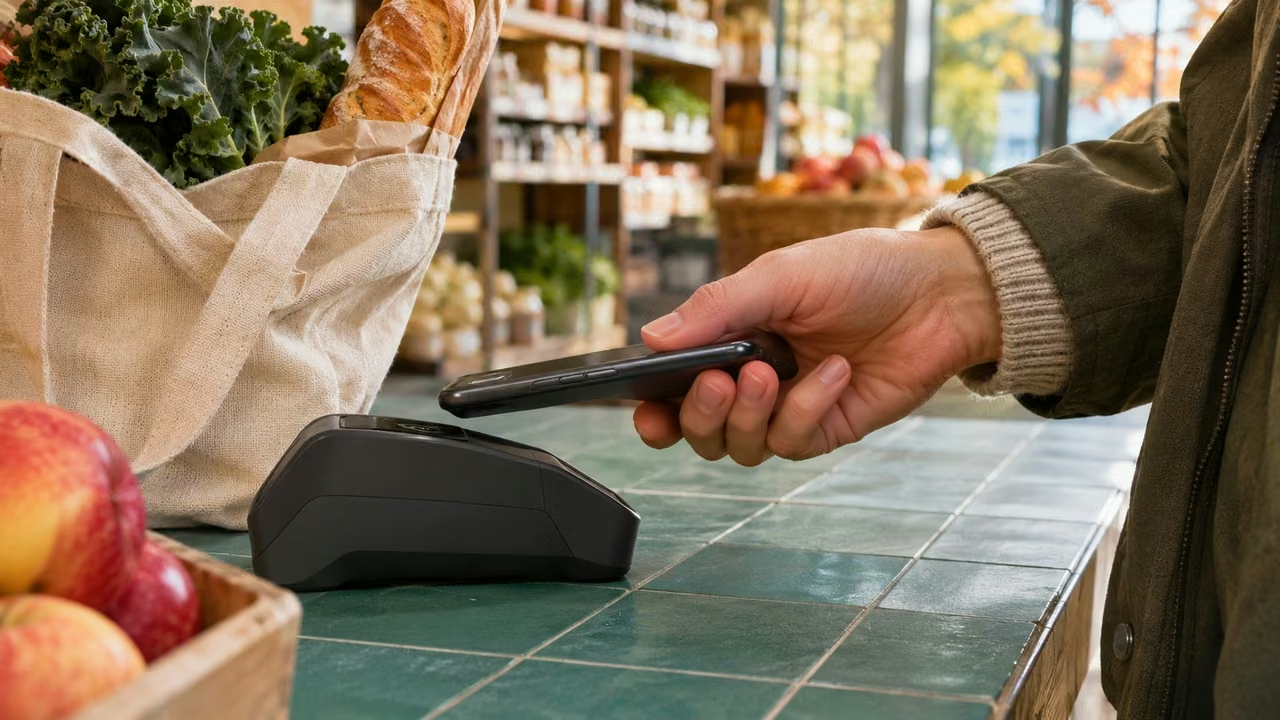
The Apple credit card can suit people who pay in full and regularly use Apple Pay. Its temporary double Daily Cash offer makes the first year more attractive, but the spending required and long-term reward rates deserve a closer look.
Advertise your business for free by making it easy to find, sharing useful information, and giving satisfied customers a clear way to recommend it. These 15 methods avoid paid placement, but still require time and may rely on tools, a website, or business resources already available.
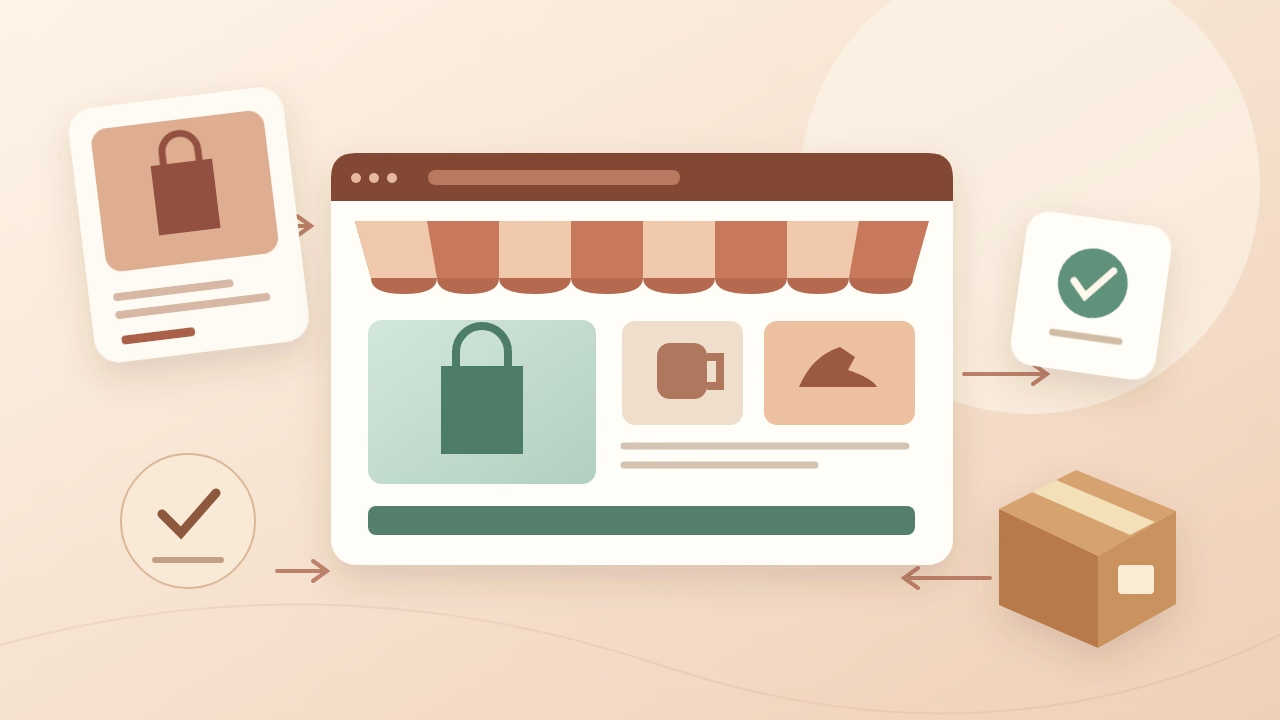
Start an ecommerce business by choosing a specific customer, validating a useful product, and checking whether each order can cover its costs. Then build a small, trustworthy store, test payments and delivery, and launch with a marketing budget the business can afford to lose.
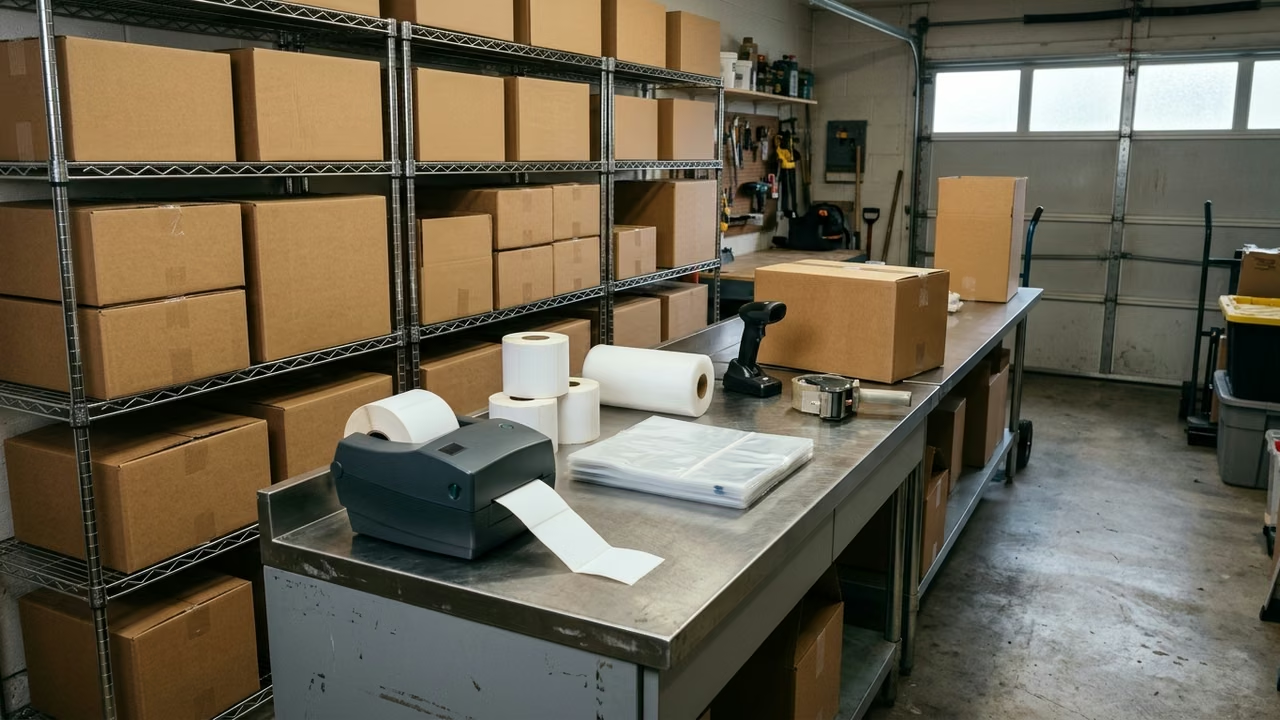
Starting an Amazon FBA (Fulfillment by Amazon) business is one of the fastest ways to launch a real Amazon e-commerce company by leveraging the world largest retail logistics network to store, pack, ship, and service orders. Rather than building website traffic from zero or paying steep ad costs on unproven private-label items, beginners often launch through retail or online arbitrage—reselling established brand-name products with existing search demand. Turning a side store into a durable Amazon e-commerce company requires mastering Seller Central setup, updated brand-ungating invoice thresholds, modern placement surcharges, and knowing when to keep operations in-house versus delegating.
The best small business internet and phone plan fits the address, workload, calling needs, and full operating budget. Start with availability and upload performance, then compare the complete internet, mobile, office-phone, equipment, and backup costs.
Starting a profitable business from home does not require thousands of dollars in inventory, commercial leases, or custom software builds. The cheapest businesses to start from home—and the most dependable small businesses online—launch for $0 to $500 by turning specialized skills, digital downloads, or on-demand fulfillment into repeatable income. Rather than chasing short-lived online money making fads that cap your earnings, focusing on sustainable ways to make online money with lean startup budgets, strong gross margins, and clear break-even volume builds lasting cash flow without risking personal savings.
An ecommerce brand gives an online business a recognizable identity and a clear reason for customers to choose it. Build that identity around a useful product and a reliable buying experience, then make the website, messaging, service, and marketing support the same promise.
What can your shop learn from Target, IKEA, or a specialty retailer? These seven retail website examples show how to help a shopper find the right item, decide whether it fits, and get it without surprises.
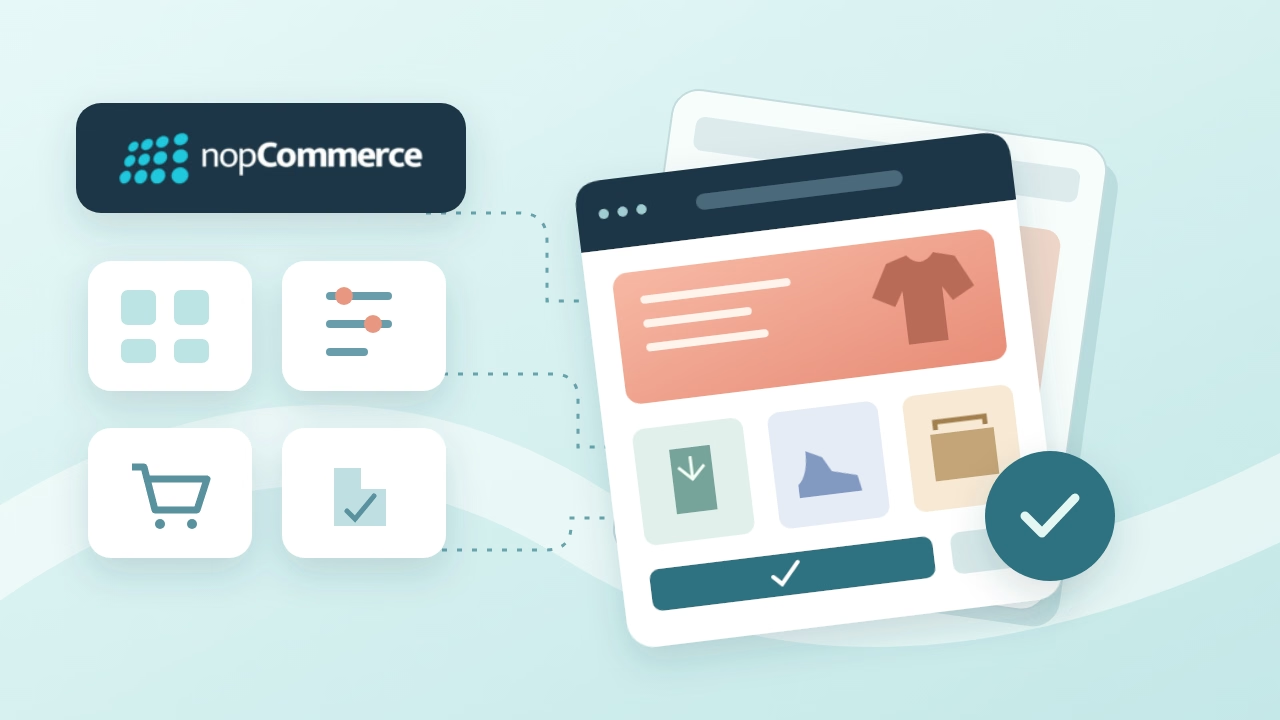
nopCommerce is a customizable ecommerce application built with ASP.NET Core and C#. Its free core can be a useful starting point for a store with specific business requirements, but hosting, development, integrations, and ongoing support determine the complete cost.
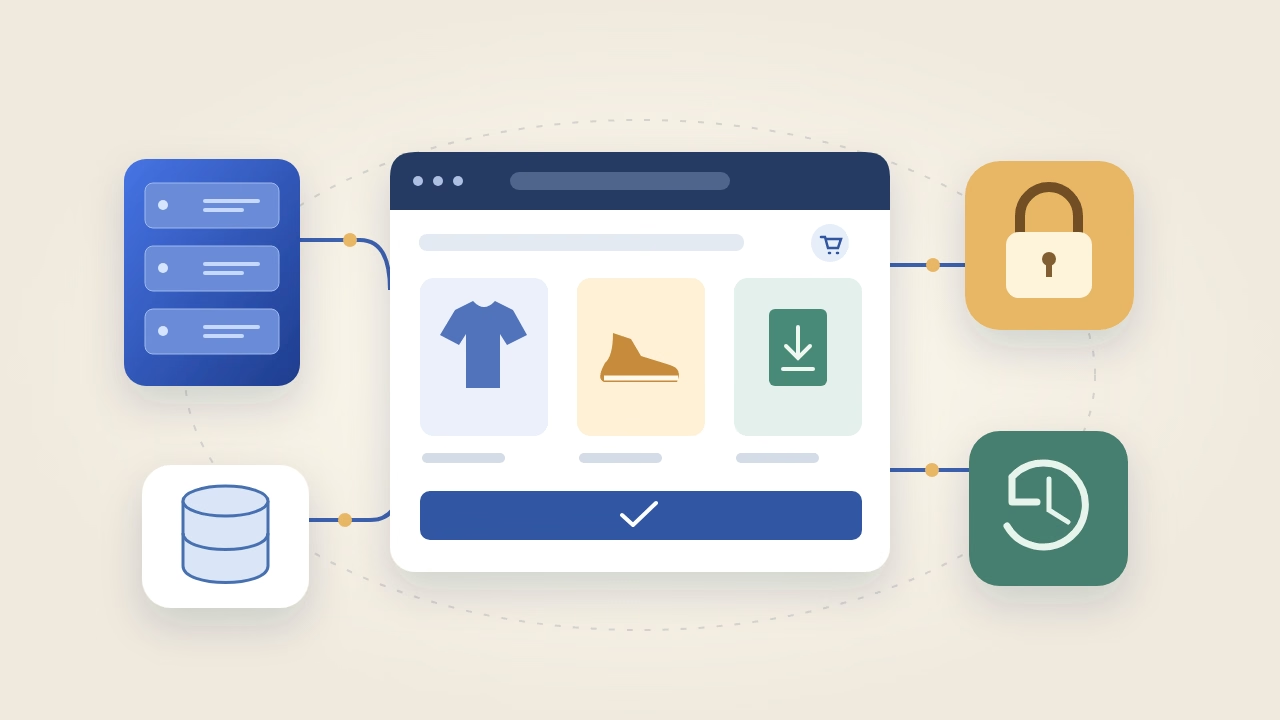
The best ecommerce hosting fits the store’s software, checkout workload, recovery needs, and full operating budget. Hostinger, IONOS, and Namecheap offer different routes to hosting a small online store; compare the exact product and renewal terms before choosing.
Shopify vs GoDaddy is a choice about the store’s actual buying journey, operating work, and budget. Shopify is worth testing for a commerce operation with specific integration needs; GoDaddy Websites + Marketing is worth testing when its built-in store tools cover the business’s requirements.
In the history of global commercial entertainment, no single product has commanded the capital scale, cultural anticipation, and revenue momentum of Grand Theft Auto VI. With an estimated development and multi-year global marketing budget between $1 billion and $2 billion, GTA 6 represents the most expensive entertainment investment ever undertaken. Yet, Wall Street financial models project that publisher Take-Two Interactive will recover this staggering capital expenditure within days of commercial release. Analyzing the financial architecture behind Rockstar Games reveals a masterclass in product scarcity, high-margin digital distribution, and perpetual recurring live-service monetization.
The best payment gateway for Shopify dropshipping is one the business can qualify for, connect correctly, and fund fulfillment around. Start with location and product eligibility, then compare fees, payout timing, reserves, and the payment methods customers actually need.
A payment processor helps a business accept card payments and receive the money from completed transactions. The best online payment processor depends on how the business sells, what customers use to pay, and the full cost of each payment—not just the advertised rate.
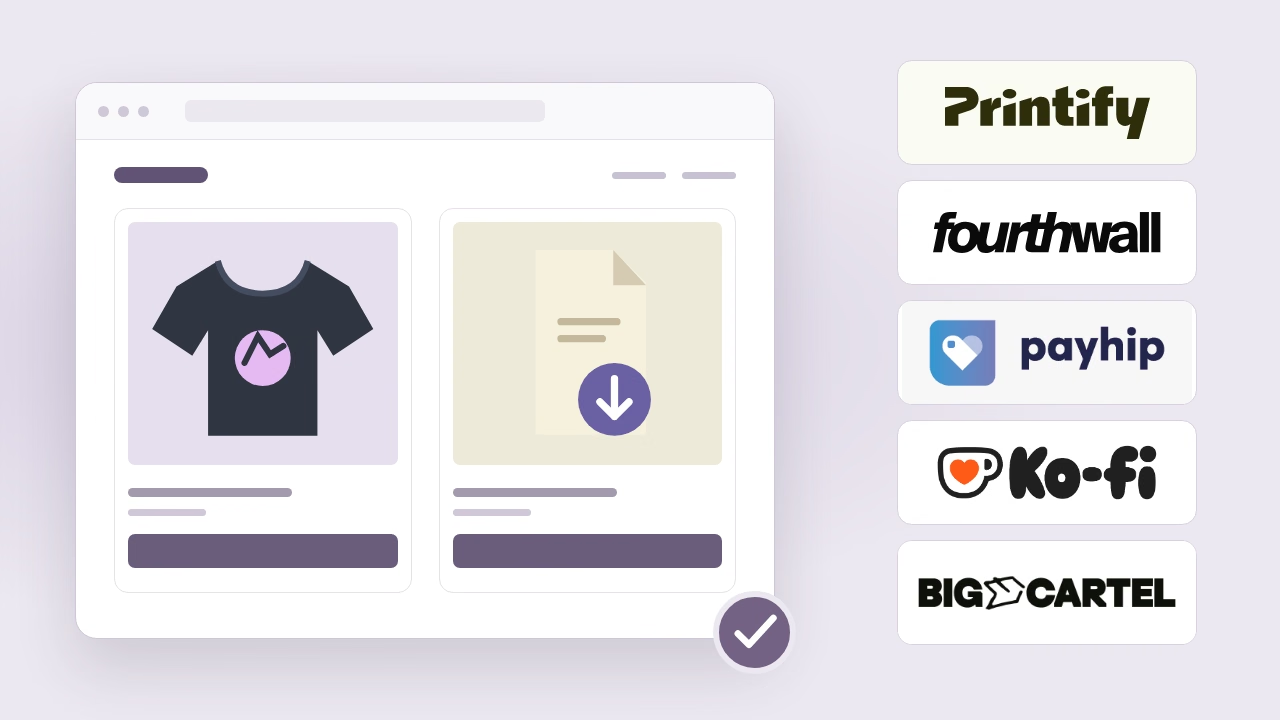
Free Shopify alternatives can remove a monthly storefront bill, but they do not remove the cost of selling. Printify Pop-Up, Fourthwall, Payhip, Ko-fi, and Big Cartel suit different products and workflows; choose by what the free plan actually supports.
The best ecommerce websites for selling online depend on whether you need a branded store or a selling account inside an existing marketplace. Compare these seven options by product fit, complete costs, customer acquisition, and the work required to deliver each order.
Shopify can be poor value when paid extras, payment requirements, or missing workflows push the full cost beyond what a store needs. Compare Squarespace, Wix, and WooCommerce against the actual buying journey and operating budget before choosing a platform or moving an existing store.
An ecommerce business can reach more customers and operate with less retail space, but it still needs profitable orders, reliable delivery, and ongoing customer service. Weigh the advantages against the costs and responsibilities before investing in a store.
To sell a Shopify store, define the assets included, document its performance, set a defensible price, and find a buyer before arranging payment and ownership transfer. This guide explains the Flippa listing process and practical ways to make the business easier to assess and take over.
Hiring an ecommerce website developer can be worthwhile when realistic additional contribution or cash savings cover the extra project costs within an affordable period. Calculate that using contribution per order and new operating expenses, rather than treating all future sales as a return on the website.
Compare Shopify and a custom ecommerce website over the same scope and period, including setup, recurring services, support, and payment charges. A lower launch price can matter for a simple store, while a larger initial investment needs a credible reason to save money or meet essential requirements later.